


Article originally posted on Steve’s Substack on October 22nd, 2026.
In connection with the recent publication of my book, Truth Emerging: A Developmental Philosophy of Purpose and Progress (Orbis Books 2026), I gave two public talks to my monthly Zoom group. These two “book talks” are now available to watch on YouTube.1 However, I know many folks would rather not watch a video and would prefer to actually read what I have to say. This post accordingly shares the combined scripts from the two talks, together with my slide images. In the videos, I spoke extemporaneously, so this written version includes important details that add clarity and richness.
I. Introductory Book Talk for Truth Emerging
This is the first of two talks I’m giving on the book. This first talk provides an introduction to the book’s central subject, which is humanity’s socio-cultural evolution, also known as “noosphere evolution.” In the second talk, I’ll go deeper into the foundations of the book’s philosophy of value realism, which is part of the emerging category known as developmental philosophy.
The “emerging truth” referred to in the book’s title comes from the science of evolution, which, when interpreted philosophically, is beginning to reveal that we live in a universe of purpose and progress. Stated more formally: The recent scientific evidence for universal evolution, when interpreted philosophically, reveals that our universe is a purposeful phenomenon that is increasing in value over time. As I argue, this new truth about our universe is exactly what we need at this time in history because it can help us meet the challenges of our age. The emerging truth about evolution can renew our collective sense of transcendence and higher purpose, and it can provide detailed instructions for how we can grow into the next level of our civilization’s development. To give you a taste of the detailed arguments in the book:
• Regarding the claim of purpose: We each have purpose, all of life has purpose, and the cosmos’s intricate fine-tuning provides compelling evidence of purpose. Moreover, the universe’s profound intelligibility and mathematical order evinces the presence of some form of cosmic mind. And where there is mind there is intention, which is inherently purposive.
• Regarding the claim of progress: Value is increasing over time. Something more keeps coming from something less. We begin with a small cloud of hydrogen and helium gas and end up here tonight contemplating the meaning of the universe. The only way to plausibly deny this increase in value over time is to claim that value itself isn’t real. Such a claim, however, is self-refuting; it is like claiming there is no truth.
Moreover, progress is our birthright. Each human being is empowered to make progress, both in their personal development, and by contributing to the incremental evolution of our civilization. Properly interpreted, purpose and progress are the first principles of becoming itself.
Admittedly, universal purpose and progress are frankly subversive ideas within the prevailing schools of analytic philosophy and continental philosophy. But “subverting the dominant paradigm” is how philosophy has always served as a lever for social progress, and developmental philosophy does just this.
So, if purpose and progress are principal features of evolutionary becoming, what are the implications of this philosophical interpretation of evolution? Well, if purpose and progress are real, then value, or dynamic quality, must be robustly real. Indeed, the reality of value is demonstrated by the way it shapes and charges the evolution of our universe. Value influences evolution, hence value is real.
The idea of value realism may at first seem trivially true. Some things are better than others. So what?, you may ask. Well, the “what”—the consequence of taking value seriously—is the renewal of transcendence.
The Philosophical Renewal of Transcendence
Value realism results in the intellectual rejuvenation of deeper meaning and higher purpose. As I argue, recognizing the reality of values can help fill the God-shaped hole in our culture that is causing our contemporary crisis of meaning. As religion continues to recede, we can find fresh sources of transcendence in the growing intersection of science, philosophy, and spirituality.
Truth Emerging does not present an argument either for or against God, but it does argue for the authentic reality of transcendence. Simply put, something is sacred. And our ability to recognize and understand what is sacred—what is transcendent—is itself evolving. Yet however we may conceive of the transcendent, we all need some kind of connection with it. As humans have known for over 3,000 years, “Where there is no vision the people perish.”2 Indeed, this lack of a collective vision of transcendence is ultimately why we’re hyper-polarized. Having lost the connection to our deeper collective why, our society has difficulty cohering as a governable entity.
If, however, we can begin to see and agree that the universe has a purpose, and that it is within our power to make further progress, then this renewal of our collective sense of higher purpose can help us grow into the next level of our development. While the emerging truth about evolution is not a substitute for religion, this renewed vision of transcendence can provide a supplement to almost every kind of spirituality and religion. This philosophical renewal of transcendence is brought to life through its contemplation of the mystical heart of intrinsic value itself. Which brings us to the venerable triad of goodness, truth, and beauty.
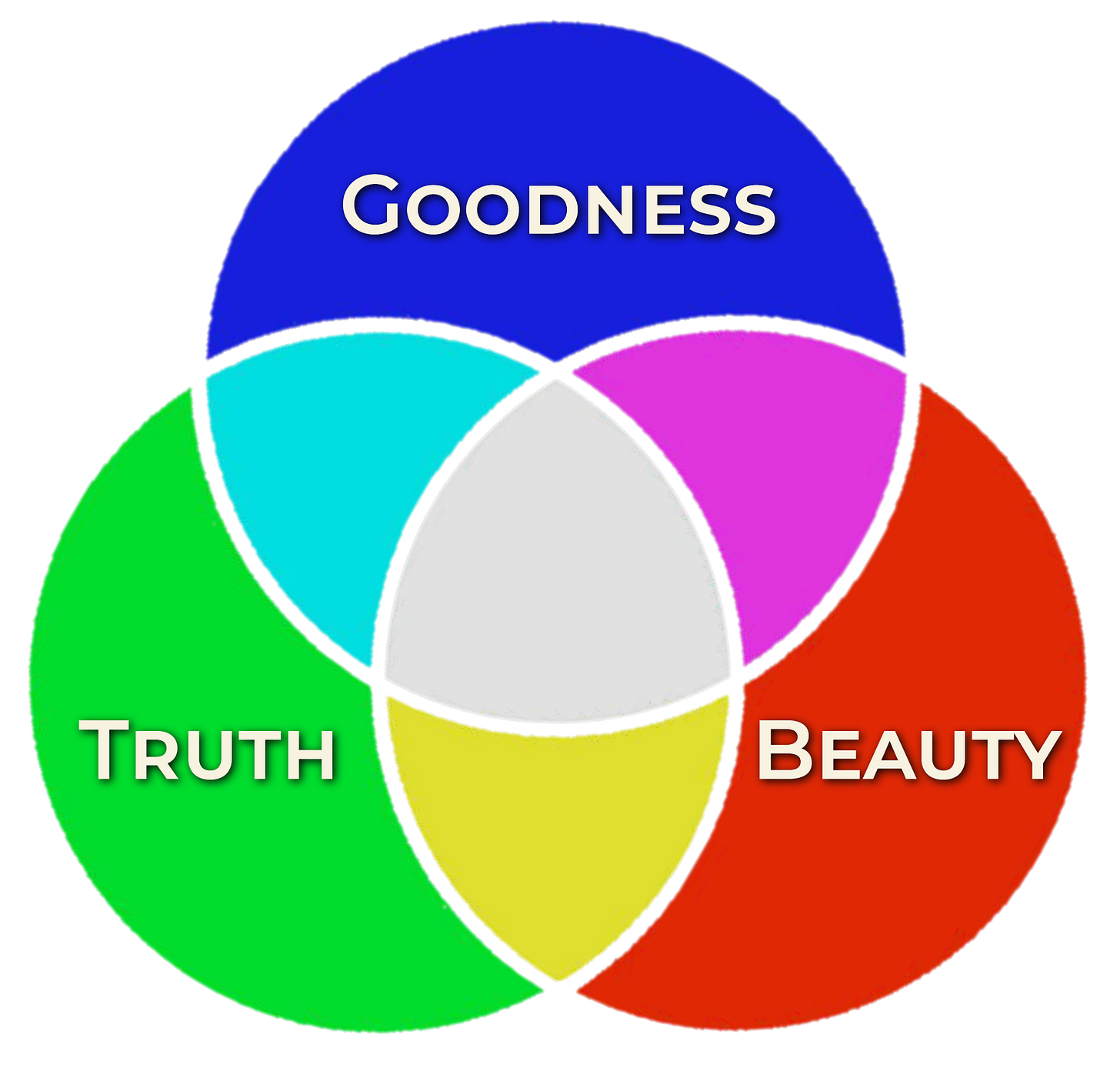
Figure 1. The Primary Values: Goodness, Truth, and Beauty
The special significance of the closely related and interdependent concepts of goodness, truth, and beauty has been recognized since antiquity. But developmental philosophy can see something new and say something more about this threefold system of intrinsic values.
Goodness, truth, and beauty are not simply a contrived or convenient list of values, these are the primary values. Just as three primary colors represent the entire visible spectrum, these three primary values qualify the world—they’re the capstone qualities of the aesthetic, rational, and moral dimensions of human experience. And as I argue, they are literally the directions of evolution.
As the eminent philosopher Alfred North Whitehead understood, goodness, truth, and beauty function as fundamental lures for evolutionary becoming. Even though these values may appear differently at distinct levels of development, the overall compass headings are the same. Opportunities to create goodness, truth, and beauty are available to everyone. Regardless of your cultural perspective, you can always recognize things in your life that are beautiful, true, and good.
These three most intrinsic values define and disclose each other, forming a kind of cosmic attractor that pulls evolution forward from the inside through its influence on consciousness. In Truth Emerging, I focus a lot of attention on this triad of values, including a deep dive into what I call the “physics of value energy” (which I’ll discuss in my second book talk).
The philosophical concepts of purpose, progress, and transcendence itself are all grounded in goodness, truth, and beauty. These values define our purpose, they gauge our progress, and they form the horizon of transcendence that draws us forward. Simply stated, transcendence is realized through our movement toward the good, the true, and the beautiful.
This triad of goodness, truth, and beauty represents philosophy’s finest hour. And by illuminating this conceptual cathedral, philosophy can create authentic spiritual experience. Indeed, recognizing the reality of goodness, truth, and beauty can help renew our sense of the sacred in ways that do not require any specific spiritual belief system.
A New Form of Philosophical Technology
Even if the idea that we live in a universe of purpose and progress sounds plausible or reasonable, you may nevertheless ask: what is this view of evolution really good for? Beyond inspiration, how can this philosophy of evolution help us evolve further? The first answer is that seeing how value is a central feature of evolution unlocks our understanding of noosphere evolution, giving us the power to more effectively advance our society’s development. Developmental philosophy does this by showing more clearly than ever before how human consciousness evolves. In fact, almost every human problem is, at least in part, a problem of consciousness.
While the subject of the evolution of consciousness is deep and wide, it can be roughly grasped through a simple idea: human consciousness evolves when people expand the scope of what they are able to value.
The evolution of individual consciousness, however, largely depends on the ongoing evolution of human culture. Simply put, consciousness and culture coevolve. As examples: when people come to recognize some version of the golden rule, which is found in almost every religion, this constitutes the evolution of consciousness. Similarly, when people gain a greater grasp of reality by adopting a scientific perspective, when they come to see nature and history more clearly and objectively, this also represents the evolution of consciousness. When fresh forms of art and music create historically significant cultural renaissances, this results in the evolution of consciousness. When women gain greater social equality with men, this constitutes the evolution of consciousness. And when people’s values expand to include wider and wider circles of moral concern, moving from egocentric to ethnocentric to worldcentric moral frameworks, this too represents real evolution.
Structures of History—Stages of Noosphere Evolution
Like all forms of evolution, noosphere evolution exhibits stages of growth. Again, something more keeps coming from something less. And this “something more” most often arrives through distinct steps of advance. This is how the overall cosmic structure of evolutionary emergence becomes extended into noosphere evolution. Once we begin to recognize the structure of evolutionary emergence in history, the explanatory power of this understanding becomes apparent.
In the argument for stages or levels of historical development, Exhibit A is the emergence of modernity. The emergence of modernity began in the Enlightenment, and it has continued to develop into our present age. More than anything else, modernity is a frame of values that enacts a large-scale cultural worldview—a powerful form of emergent cultural consciousness. Secular modernity, however, emerged from a previous level of cultural development, which can be broadly understood as religious traditionalism. And in the same way that modernity emerged by pushing off against religious traditionalism, over the last 60 years or so, we’ve witnessed the emergence of a third major worldview, which is often labeled “progressive postmodernism.”
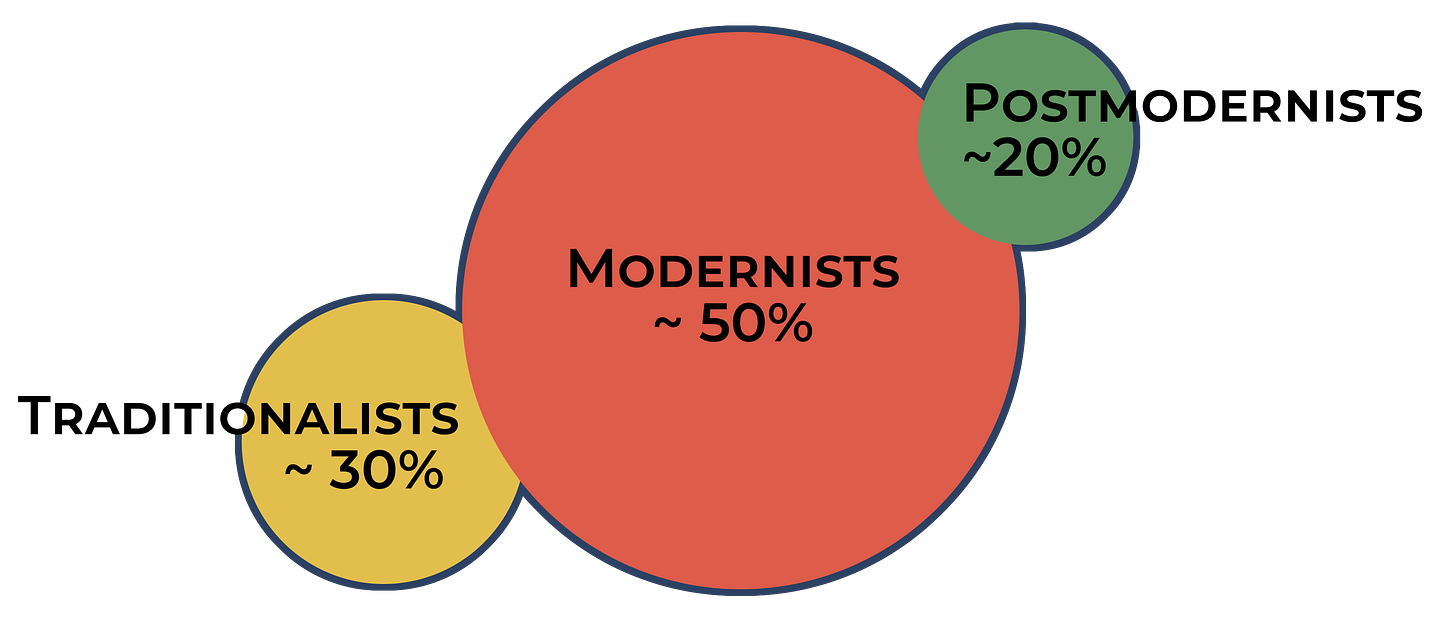
Figure 2. America’s Three Major Worldviews
As shown in this figure, American culture, as well as the culture of the developed world as whole, is currently shaped by three major value systems. As a result of the emergence of the progressive postmodern value system, these three worldviews have become locked in a culture war. This is a problematic life condition that calls for further growth. That is, our culture war has resulted from our growth, and the solution must therefore involve further growth.
Although recognizing these large-scale structures of history mostly exceeds the purview of social science, the major shifts in values associated with these stages are supported by decades of empirical research, including the World Values Survey.
The reason it is important to understand these major stages of cultural development that have emerged over the course of human history is that, by seeing these stages clearly, we can begin to see what comes next. In short, the most recent major stage to emerge—the progressive postmodern worldview—is not the end of history. In the same way that modernity emerged partly by challenging and transcending aspects of traditionalism, and postmodernism subsequently challenged and transcended important aspects of modernity, postmodernism is now being transcended in turn by what is coming to be known as the “post-postmodern worldview.”
The Emergence of a More Inclusive “Post-Postmodern” Worldview
This next emerging worldview is not envisioned in terms of wishful thinking or utopian idealism; post-postmodernism will not be the end of history either. But a post-postmodern cultural perspective can do what progressive postmodernism cannot: this emerging new form of cultural consciousness can recognize the legitimacy and evolutionary necessity of the values of all previous stages. Post-postmodernism thus grows up by reaching down. It fosters evolution more effectively because it understands evolution more thoroughly.
Stated otherwise, the developmental perspective that arises from the post-postmodern worldview achieves its evolutionary advance through its ability to metabolize the positive values, and thus use the extant “superpowers,” of all the cultural structures that have emerged over the course of noosphere evolution. In Truth Emerging I describe each of these values-based cultural superpowers in detail, and why each historical worldview has been able to improve the human condition in its own way.
As examples, traditionalism’s superpowers include: moral clarity, virtue, and fair play, which can produce high trust cultures. Modernism’s superpowers include: reason and initiative, liberal values, and the scientific method. Postmodernism’s superpowers include: an emphasis on equality, environmental priority, and social justice, which can lead to a more caring society.
However, before continuing with this line of reasoning, let me acknowledge the moral hazards associated with recognizing real evolution in the course of human history. Early attempts at this were marred by eurocentric hubris and even racism. The pathologies associated with these early stage theories subsequently gave rise of the countervailing social norm of cultural relativism, which rightly recognizes that no matter how diverse, human groups are far more alike than they are different, and that everyone counts and deserves respect.
Cultural relativism, however, has its own moral hazards. If no society can be said to be better than any other, not only will we thwart the real improvements that people need and want, we will also be unable to defend the hard-fought gains we’ve already made. The equality of women, civil rights, democratic rule of law, and many other civilizational advances we now take mostly for granted need to be defended anew in each generation.
It is thus important to affirm that cultural equality and cultural growth are both important truths that ideally need to support and challenge each other. So by renewing our commitment to cultural growth in a way that is tempered by aspirations for cultural equality, and by using the superpowers of post-postmodern cultural consciousness, we can begin to see what the next step of cultural evolution can and must be. Evolution’s structure-process shows where we’re heading, if we can manage to avoid collapse or self-destruction.
Regarding the superpowers of post-postmodern cultural consciousness, first of all, this perspective clarifies how almost everyone has a piece of the truth. Post-postmodernism promotes solidarity by increasing cross-cultural sympathy. It shows how the stages of noosphere evolution are interdependent and can ideally work together.
Moreover, the emerging truth’s illumination of our next cultural step of growth provides a method for integrating values. As discussed in the book, this method of values integration is based on a new understanding of what I call “value physics,” which shows how most opposing values are actually interdependent, and how they can be synthesized to create wider agreement and a more inclusive cultural whole. This method of working with opposing forms of positive value is just one of the emerging superpowers of the post-postmodern perspective.
By framing the contours of the next emerging worldview, developmental philosophy can use the emerging truth about evolution to renew our hope for the future. In short, it give us the will by showing us the way.
Conclusion
The key takeaway from this talk is that our purpose is to experience and create intrinsic value, and our progress can be measured by its realization. This philosophy of goodness, truth, and beauty is therefore both practical and mystical. It provides the crucial meaning we’re currently missing in our contemporary secular society.
II. Advanced Book Talk for Truth Emerging
This is my second public presentation for my new book, Truth Emerging: A Developmental Philosophy of Purpose and Progress. My first presentation on Truth Emerging, given last month, provided a basic introduction to the book’s ideas. In that introductory talk, I summarized the book’s framing of the significance of noosphere evolution, I discussed how the primary values of goodness, truth, and beauty are a central feature of evolution, and I described how the emerging truth about universal evolution provides a kind of philosophical technology that can help us grow out of our contemporary challenges.
This second talk covers what we might call the more advanced aspects of this philosophy. This talk is highly conceptual and abstract, but I think nevertheless relevant and useful. In what follows, I’ll outline how developmental philosophy can serve as a lever for social progress by showing more clearly than ever before how noosphere evolution works, and thus how we can evolve further.
The Second Enlightenment
The Enlightenment in the Western world is the period of cultural fluorescence that marked the emergence of modernity. Now in our time, a kind of second Enlightenment is appearing on the horizon of history. As I argued in my first book talk, this next emerging stage of history is effectively “post-postmodern.” Indeed, I think the Enlightenment is the best historical example we have that can help us anticipate how the post-postmodern worldview will emerge. The Enlightenment is especially illustrative of our moment because its history demonstrates how philosophy can serve as a lever for social progress.
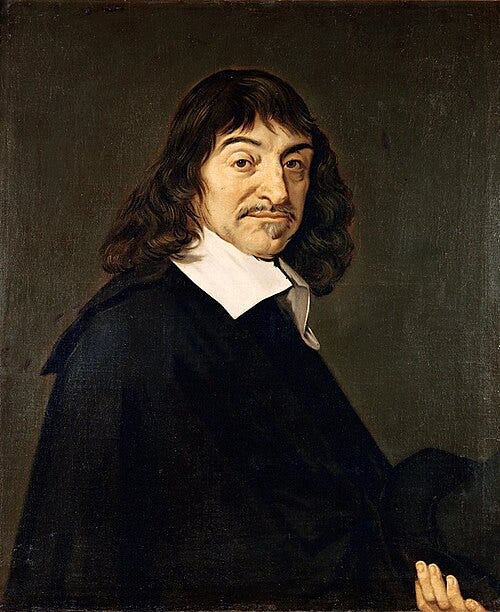
Figure 3. René Descartes (1596-1650)
To give one specific example: An early philosophical development that helped give rise to the European Enlightenment was René Descartes’ distinctive framing of the relationship between the knowing subject and the objective physical world. By distinguishing the metaphysical categories of subjective and objective in a new way, Descartes helped establish an effective philosophical framework for investigating the natural world. His philosophical innovations helped people see the empirical world with a new objective clarity, which contributed to the rise of science, resulting in the emergence of science and the industrial revolution. To use an analogy, Descartes’ philosophy acted like “night vision goggles” for the natural world.
The similar expanded clarity we’re now gaining about the interior universe is likewise resulting from a new philosophy. Developmental philosophy furthers our understanding of noosphere evolution with two key philosophical insights: 1) it frames the ontology of the intersubjective domain of cultural evolution, showing how systems of agreement cohere and persist through time; and 2) it provides a physics of value that illuminates our understanding of value’s energy-like function in the interior universe.
Although there are numerous aspects of developmental philosophy that can contribute to noosphere evolution, it is these two key philosophical innovations that hold the most potential to significantly increase human knowledge and thereby catalyze a second Enlightenment.
Ontological Intersubjectivity
The first philosophical innovation is developmental philosophy’s framing of Ontological Intersubjectivity—the invisible world of social relations, or “we-space.” This framing is important because it allows us to see the structures of noosphere evolution with new clarity and in greater detail, much as Descartes’ framing of the physical objective world helped us see nature.
According to developmental philosophy’s understanding of ontological intersubjectivity, evolution is unfolding not only within the exterior physical world and the interior realm of our individual minds, but also within our collective understandings and joint commitments.
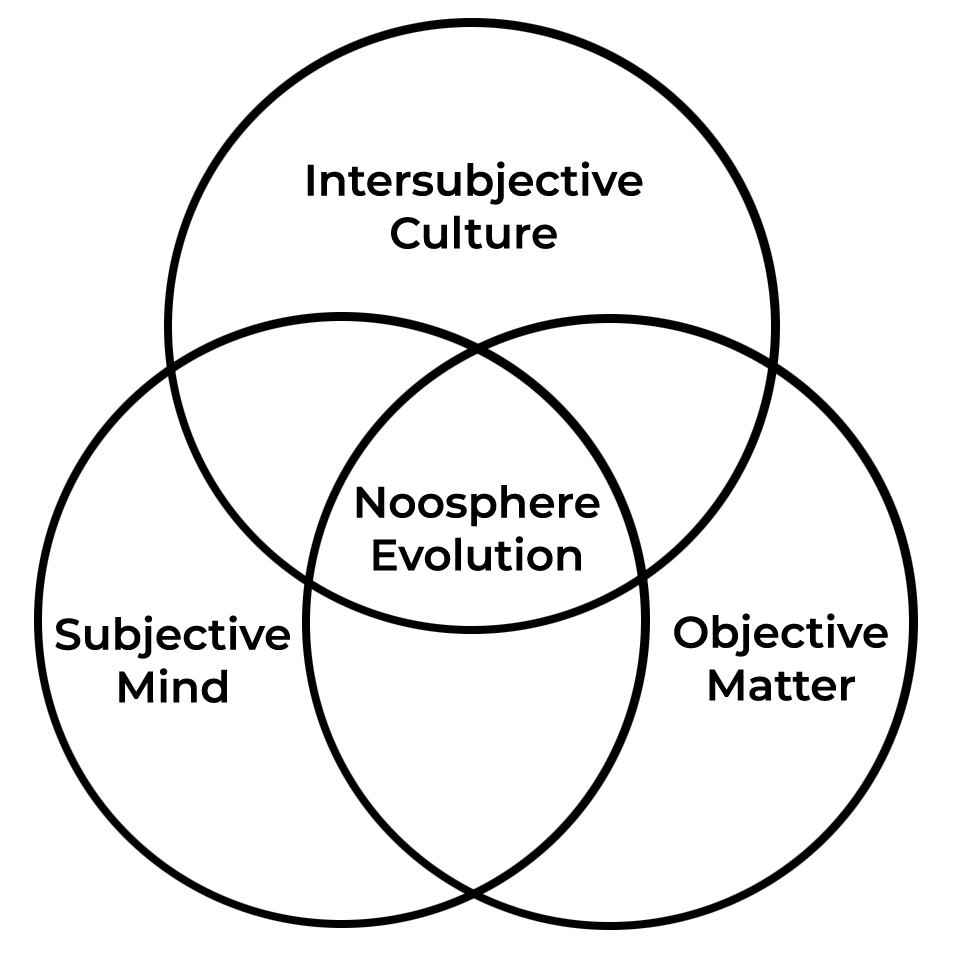
Figure 4. Noosphere Evolution’s Three Domains: Objective, Subjective, and Intersubjective
Descartes was right to recognize the reality of exterior and interior, but as we think about what is actually evolving, we can see that it’s not merely objective and subjective, we also need to recognize an intersubjective domain of development. In other words, in the interior universe, we have both subjective consciousness and intersubjective culture.
For example, think about America’s major worldviews (outlined in my last talk). These cultural structures stay on the planet as we cycle through. Worldviews are not just “social facts,” they’re large-scale, long-lasting interior systems with distinct and understandable metabolisms—they’re powerful dynamic systems of cultural consciousness. And what are they metabolizing? value energy, which I’ll get to in a moment.
These large-scale worldviews exist primarily within human consciousness, which makes them partially subjective. But while they exist in the interior overlap between minds, they also have mind-independent qualities that cannot be reduced to any individual’s subjective recognition. Again, worldviews persist through time as enduring cultural systems. Giving these structures more ontological weight—recognizing how their systemic reality is greater than just their subjective recognition or their objective physical manifestations—gives us the power to understand cultural consciousness and how it evolves. And this in turn begins to show how we can help evolve our culture by evolving the consciousness of individual people.
In short, the philosophy of ontological intersubjectivity shows how cultural structures are dynamic living systems that interpenetrate people’s minds and evolve dialectically over time. I discussed how these large-scale cultural structures evolve in my introductory talk, but I’m reemphasizing these ideas again in this talk because they are a key element of this new philosophy that gives it the power to bring about noosphere evolution.
Analytic philosophy’s recent investigations into social ontology are beginning to explore this area, but analytic philosophy lacks a developmental perspective, and thus fails to see how this interior domain of human relationships functions as a distinct realm of noosphere evolution. The power of this metaphysical framing becomes apparent once we connect this idea of interior intersubjective systems with the notion of value as energy. Simply put, the way energy functions in the exterior universe mirrors the way value functions in the interior universe. As Emerson understood, “Every natural fact is a symbol of some spiritual fact.”3
The Physics of Value
The second philosophical innovation that can help bring about the next Enlightenment is developmental philosophy’s recognition of the natural behaviors of value. Although I use the phrase “value physics,” I don’t mean to imply that value is simply physical. Value physics is more about metaphysics than physics, but I’m using this label to emphasize how this philosophy seeks to find interior counterparts to the exterior behaviors of physical energy.
I’m putting a lot of weight on the word “value,” which can’t be easily defined. A partial definition might be: “Intrinsic quality or worth that can be pursued, appreciated, or realized as good.” However, rather than trying to formally define it, in Truth Emerging I focus on describing it through concepts such as the systemic triad of goodness, truth, and beauty (discussed in my previous book talk), and by the expansive idea of transcendence, which is the central focus of the book as a whole.
Value is more than merely a thing or a thought. As I argue, it is a first principle of the universe that evolves as consciousness evolves. And this evolving reality exhibits behaviors and characteristics that can be discovered and used to harness the power of value. The emerging philosophical perspective I’m labeling value physics includes the following 7 elements:
1. Value as Interior Energy
2. Value as Positive Creativity
3. Value as the Concurrent Development of I, We, and It
4. The Dialectical Behavior of Value
5. Value as the Counterforce to Entropy
6. Value as the Presence of the Infinite in the Finite
7. The Realization of Value as the Purpose of the Universe
Each of these 7 ideas provides different angles on the same thing. The elusive concept of value, however, can only be adequately glimpsed by bringing together these multiple perspectives on this highly significant concept. These ideas are fully unpacked in the book, but I’ll go over each of them briefly, and then bring them together at the end.
1. Value as Interior Energy
The analogy to physics is highly useful because, again, the behavior of value in the interior universe partially mirrors the behavior of physical energy in the exterior universe. As I argue, value and values act as the interior equivalent of exterior energy.
Values are forces that move us. More than a metaphor, the gravity or energy of value is a real feature of our evolving universe. Value energy creates a directional charge within the universe—it drives the striving of life in the biosphere, and it lures the progress of human civilization in the noosphere. In the book I sometimes refer to value energy as “the upward current of the good” because the eros of the universe feels like it is drawing us upward and onward.
Everyone feels the energizing pull of value in some way almost every day. We can feel the force or pull of value in the enticing beauty that seduces us, the compelling truth that beckons us, and the excellent and righteous goodness that inspires us to be virtuous and live up to our potential.
By way of comparison, think about the discovery of physical energy in the 19th century. Energy was there all along, but our scientific discovery of its properties unlocked our understanding of its physics. Similarly, the pull and the push of the potential for a better way has been influencing noosphere evolution all along, but recognizing it as a kind of interior force can help us harness it in the same way that we harnessed electricity to give rise to the digital age.
This energy analogy connects back to the idea of intersubjective systems by showing how worldviews metabolize the energy or nourishment of value to maintain their systemic integrity. Just as physical systems maintain themselves by metabolizing physical energy, intersubjective systems similarly maintain themselves by engaging a throughput of value energy.
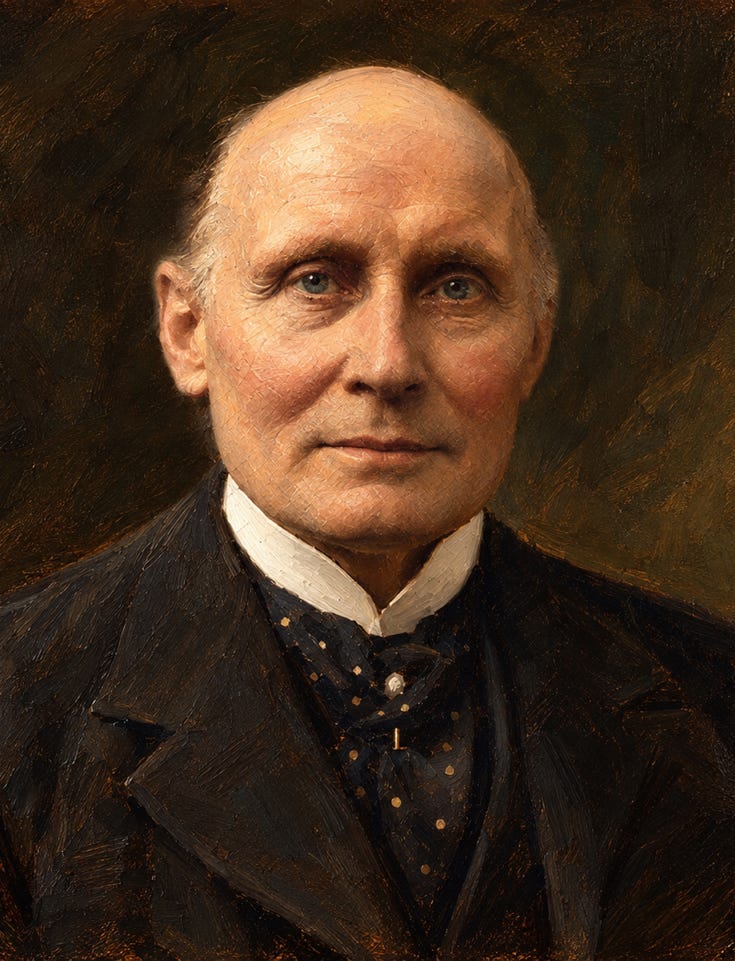
Figure 5. Alfred North Whitehead (1861-1947)
Alfred North Whitehead’s vision of beauty is influential here. Whitehead saw beauty as the harmonious integration of goodness and truth into a richer whole. In his philosophy, all three primary values accordingly participate in the same aesthetic structure which constitutes value’s realization. For Whitehead, beauty arises when contrasts are integrated without being destroyed. As he realized, “Beauty is the final contentment of the eros of the universe.”4 And this idea of integration into a richer whole can also be recognized as a description of dialectical synthesis, which I’ll discuss in a moment.
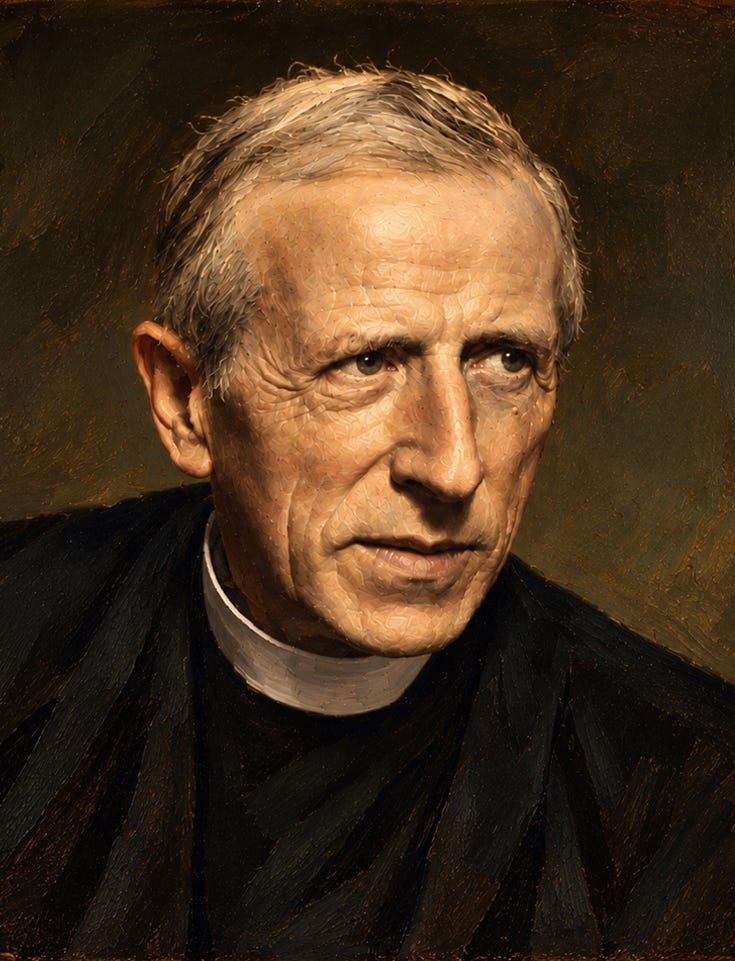
Figure 6. Pierre Teilhard de Chardin (1881-1955)
Pierre Teilhard de Chardin’s vision of what he called “radial energy and tangential energy” also influences this thinking. For Teilhard, every entity has both an outside and an inside—the Without and the Within. Tangential energy is “outside,” it’s the physical energy that can be measured by science. His idea of radial energy, however, is the interior or psychic dimension of energy, associated with increasing organization, complexity, and the evolution of consciousness. According to Teilhard, radial energy is the attractive force that pulls evolution forward from the inside. As he wrote, “Radial energy draws the universe toward ever greater complexity and centricity—in other words forwards.”5 However, to further unpack this idea, we need to connect it to the next element of value physics, which is the idea of value as positive creativity.
2. Value as Positive Creativity
What is the essence of reality? The real stuff of the world is not atoms or quarks. The most concrete reality of the finite universe is best understood as creativity itself. As Whitehead famously realized: “Creativity is … the ultimate matter of fact.”6
This idea was developed further by integral philosopher Holmes Rolston, who wrote: “There is value wherever there is positive creativity.”7 From this perspective, that which is valuable is that which increases the real.
So if the process of creativity is the most concrete feature of our universe, the ultimate matter of fact, and value arises wherever there is positive creativity, this leads to the conclusion that value, and especially the most intrinsic values, are literally the directions of evolution.
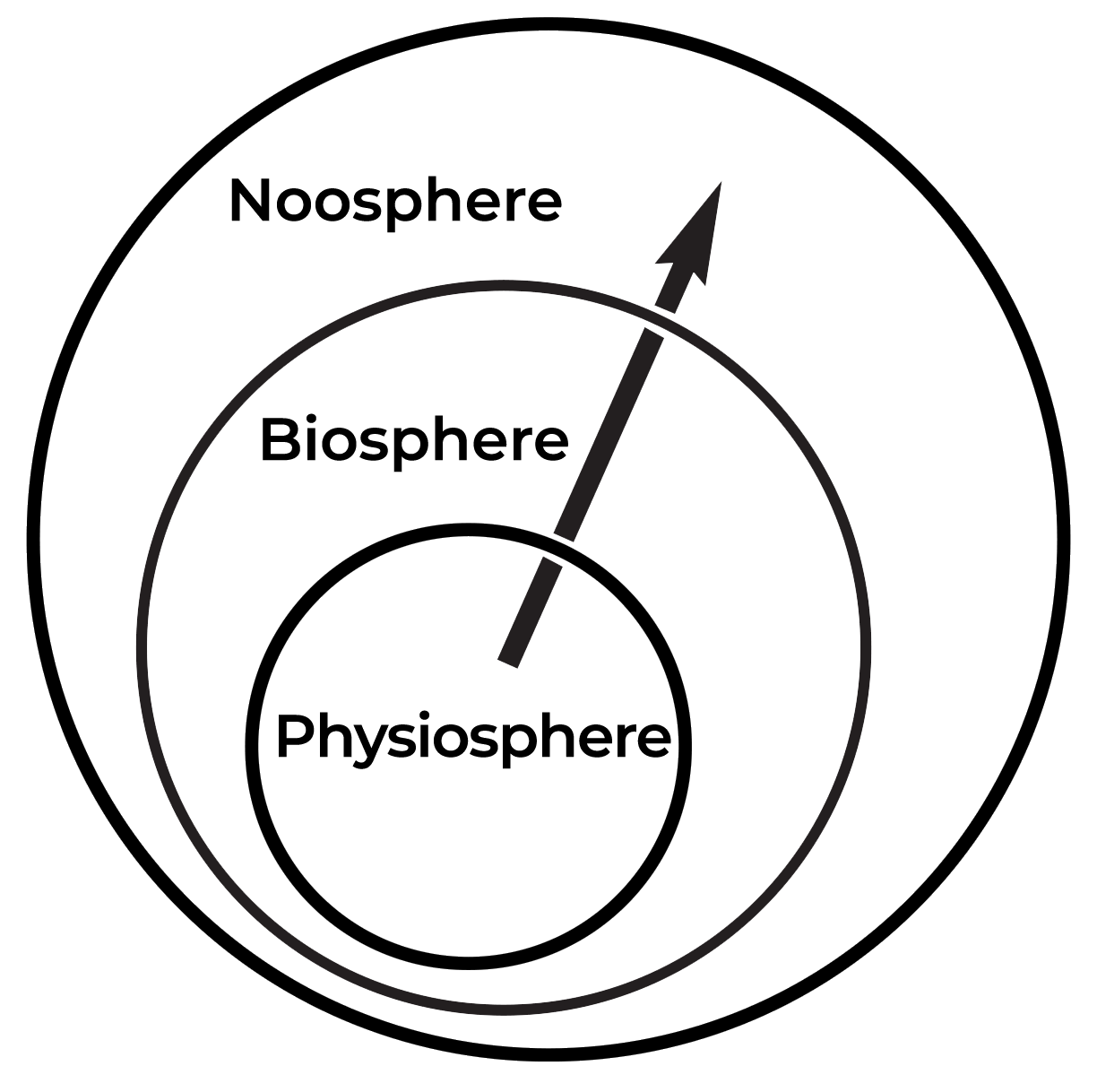
Figure 7. The Structure of Evolutionary Emergence
In the unfolding of evolution, something more keeps coming from something less. And that which is “more” is essentially that which is more valuable. In other words, the universe is not only expanding in space and unfolding in time, it is also becoming more real through the perpetual creation of value. This increase in the quality of reality—this growth toward greater perfection—takes place as value is realized in our experience, and in the world.
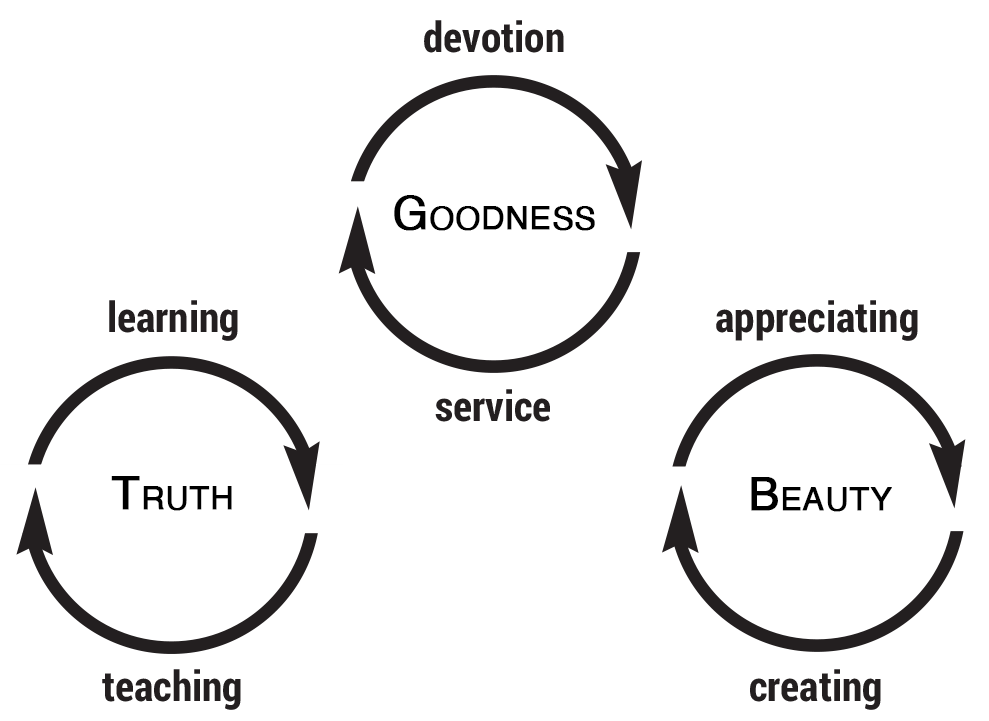
Figure 8. Circuits of Value Metabolism
This figure illustrates how value is generated through the creation of beauty, the teaching of truth, and through service to others and the world. It also reinforces the idea of value as a kind of energy that is metabolized by consciousness.
Understanding value as positive creativity helps us appreciate how value is always becoming—it’s always in motion. Each of the primary values can accordingly be understood in terms of their movement:
• Truth is the movement of interior consciousness toward a greater grasp of reality.
• Beauty is the movement of exterior conditions toward greater harmony and perfection.
• Goodness is the movement of the real toward the ideal.
This understanding of value as the ongoing process of positive creation accordingly reestablishes the ground of value, it reconstructs value’s authenticity, thereby helping justify humanity’s quest to discover ever deeper levels of goodness, truth, and beauty.
Now we turn to the third element of value physics:
3. Value as the Concurrent Development of I, We, and It
This element of value physics concerns value’s behavior as a unifying phenomenon that comes into being as the three domains of evolution evolve concurrently together. As first shown in figure 4, above, these are the subjective, intersubjective, and objective domains of development, often abbreviated as “I, We, and It,” as shown in the figure below. Value cannot be located or understood in the context of a single domain alone. The emergence of value takes place concurrently in all three domains.
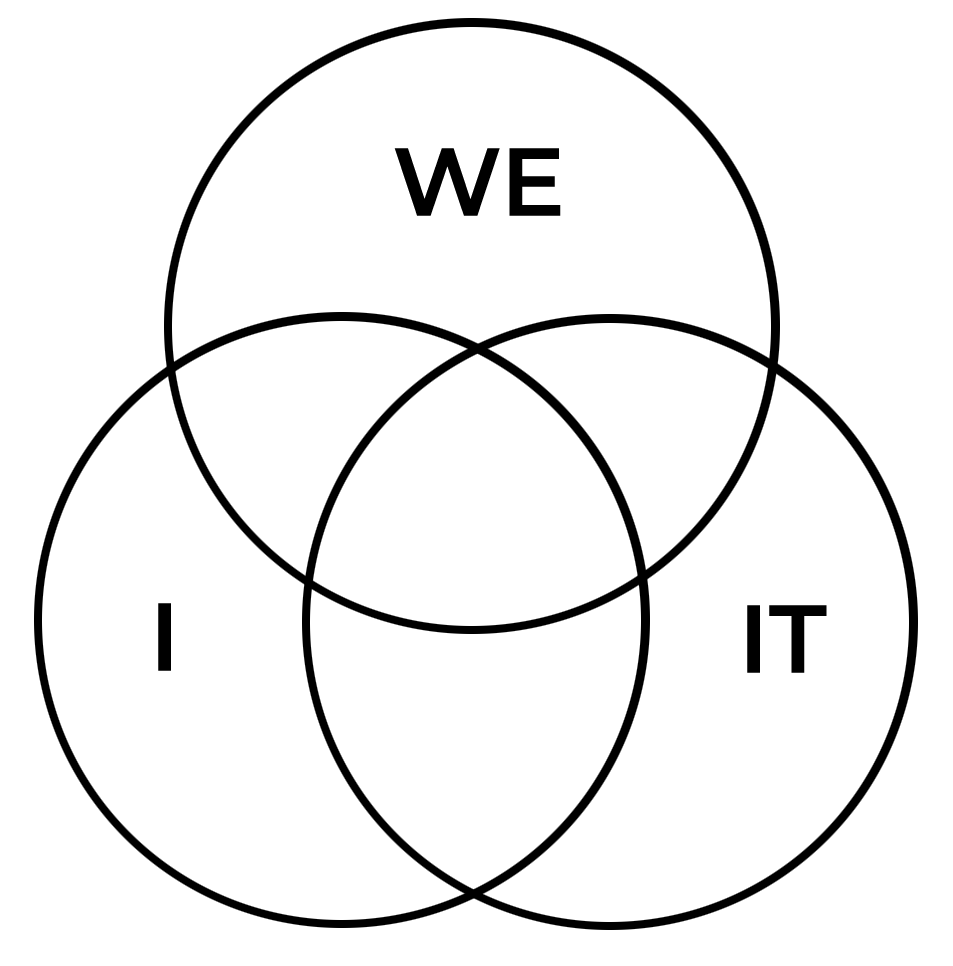
Figure 9. Value arises concurrently within all three domains—I, We, and It
Part of the reason why value is such an elusive concept is because it’s not simply an IT. Value also requires an I—its very existence depends on experience, and especially human experience. Experience is an essential and irreducible component of what makes value real. Simply put, for value to exist, it must be valuable for someone.
To get at the deep reality of value, however, we need more than just subjective experience. Experience, while necessary, is not sufficient by itself. Value is not simply an objective thing, but neither is it merely a subjective thought. Value is a unifying, dynamic phenomenon that moves between and integrates the subjective, objective, and intersubjective domains of development. Stated otherwise, value exists, or becomes fully present, when and as subjective experience, objective facts, and collective confirmation are integrated within the unified phenomenon which is the incremental realization of the becoming of the real.
Recognizing how value depends on and requires all three domains for its realization sheds light on an age-old problem in philosophy—which is: what is the source of value? How can we justify our estimates of what is better or just? For thousands of years philosophers understood value as a kind of objective thing. The good was thought to be established by religious edict—revealed by spiritual masters and enshrined in scripture. Even beyond religion, value was conceived of as a kind of natural law—a universal principle inherent in human nature and discoverable through human reason. Yet whether the source of value was thought to come from revelation or from natural law, it was conceived of as simply objective: it was thought to exist in the realm of IT.
While this idea was not all wrong, it was too static and unchanging. The subsequent rejection of both religious authority, and the reliability of reason, led to the philosophy of existentialism, which held that value was merely subjective—it existed solely in the realm of I. This existential notion of the source of value, however, was not only unworkable, it was also self-refuting; it is like saying there is no truth.
The philosophical dethroning of simply objective value, or merely subjective value, was followed by attempts to locate value in the collective WE. These approaches sought to explain the authority of value through forms of shared rationality and collective justification, as seen in Kant’s categorical imperative, Rawls’s original position, and Habermas’s theory of discourse ethics. Yet these theories nevertheless smuggled in the notion of objective value, while largely avoiding the question of where it comes from. Developmental philosophy’s value physics, however, overcomes all these partialities—these single-domain theories—by showing how value is best conceived as a unifying trajectory of growth—the directional movement of the universe’s becoming.
So where can we find the source of value? In our natural attraction to truth, beauty, and goodness—we find it in our instinct to pursue both the real, and the ideal, and we find it in the ongoing integration of these two. In other words, the rising flow of value partakes of the IT, but it also involves the I and the WE. We discover value within each of these domains by turns, incrementally, iteratively, and recursively as we follow the trajectory of creative becoming. In short, each domain makes a necessary contribution to the realization of value.
So, again, where does value come from? It comes from the directional unfolding—the evolutionary becoming—of reality itself. This is how we ground the philosophy of value realism.
4. The Dialectical Behavior of Value
Another central component of value physics is value’s dialectical behavior. That is, the movement of value evinces a dialectical progression, as demonstrated by the nature and behavior of value in human experience, and in the overall movement of value in evolution.
Dialectical evolution occurs when opposing forces become integrated in a way that gives rise to a higher level of growth or development. This process is often simplified through the 3-step process of thesis-antithesis-synthesis.
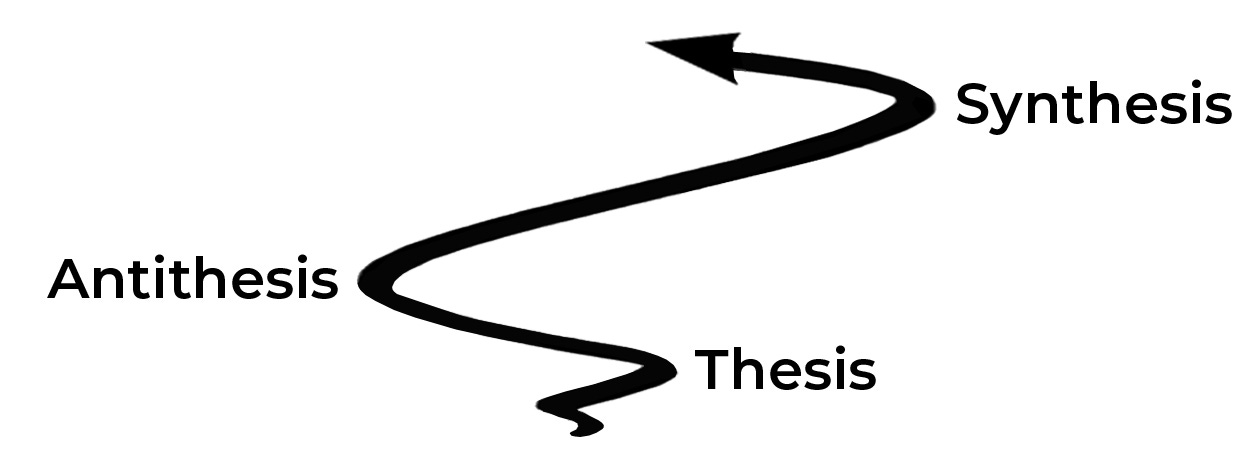
Figure 10. Dialectical Development
The dialectic aspect of the physics of value is illuminated by the insights of polarity theory. According to polarity theory, almost all forms of value arise within paired systems or dichotomous sets. These paired systems are positive-positive polarities of value wherein the value-creating capacity of each pole relies upon the challenge and support of its polar counterpart.
As examples, under the heading of “Thesis → Antithesis = Synthesis” the list below shows a variety of positive-positive value polarities. Each pair is a dialectical system, the integration of which creates a higher level of synthetic value, as shown through this quasi-mathematical notation. The integration of:
Thesis → Antithesis = Synthesis
Whole → Part = Harmony
Ideal → Real = Progress
Complex → Simple = Clarity
Feminine → Masculine = Fecundity
Support → Challenge = Care
Equality → Liberty = Justice
Inclusion → Transcendence = Evolution
These polar systems of value engage evolution’s dialectical process of development to produce a kind of higher level synthesis that makes things better. These permanently recurring value polarities are not static, they require ongoing integration, back and forth. I can’t fully explain polarity theory in this context, but this list of fundamental polarities gives you a taste of this powerful philosophical technology.
Regarding this 4th element of value physics, in Truth Emerging I argue that dialectical development is literally the geometry or shape of progress. And the action of the dialectical process reveals value energy’s rising flow. Dialectical development provides a ubiquitous, self-similar demonstration of how evolution uses the inherent tension energy between part and whole to grow by steps and stages. And this dialectical process results in the continual extension of the overall structure of evolutionary emergence.
I’ll revisit the idea of value’s dialectical behavior when we get to the 6th element of value physics in a moment. But first, I want to touch on the 5th element, which is the idea of:
5. Value as the Counterforce to Entropy
This element of value physics emphasizes how the attractive force of value—its magnetism or gravity—works in the interior universe to attract consciousness at every level. And the pull of value creates growth in a way that mirrors how entropy creates decay. That is, entropy is the tendency of energy gradients to dissipate—entropy is the process though which isolated systems move toward thermodynamic equilibrium. Entropy is thus continuously degrading and “pulling down” on the organized physical entities of the exterior universe of matter. Value, on the other hand, is an organizing force that is continuously attracting and “pulling up” individual conscious entities within the interior universe of mind.
Unlike earlier concepts of entropy’s opposite, such as Erwin Schrödinger’s idea of “negentropy,” or Ilya Prigogine’s concept of “dissipative structures,” developmental philosophy’s expanded understanding of the interior universe allows for a more robust recognition of how the power of value influences evolution.
As an example, consider life. Life has been called “a river that runs uphill.” Over the course of its lifespan, every organism overcomes entropy by persisting in its systemic organization, and by striving to survive and reproduce. And this striving to survive—this striving for the value of life—expands in scope as consciousness evolves. Every form of consciousness thus participates in life’s rising flow. Life’s striving for survival value points to the negentropic function of value within evolution, which again, acts as an organizing force—a kind of upward current.
Ok, so I’ve discussed how value 1) behaves like energy, 2) how it is the product of positive creativity, 3) how it unifies and depends on evolution’s three domains of development, 4) how it evinces a dialectical process, and 5) how it serves as a counterforce to entropy. But there is yet more to say about what value is in itself.
6. Value as the Presence of the Infinite in the Finite
Truth Emerging expands on a theme I introduced in my 2015 book, The Presence of the Infinite. This is the idea that the dynamic behavior of value can be most accurately conceived of ontologically as literally the presence of the infinite in the finite. This concept grows out of the philosophy of panentheism, which posits that the finite universe is contained within a larger transcendent domain, which is often characterized as infinite. Yet according to panentheism, the relationship between the infinite and the finite is one of mutual indwelling. In other words, the finite is in the infinite, but the infinite also permeates and shines through the finite. Simply put, transcendence is immanent in the world.
According to this understanding, the transcendent infinite becomes perceptible to humans through spiritual experience. As I argue in the book, experiencing and creating intrinsic values such as goodness, truth, and beauty provides an authentic kind of spiritual experience. Indeed, the primary values have been characterized as the comprehensible elements of divinity.
Among the various implications of this understanding of intrinsic value as the presence of the infinite in the finite, perhaps the most profound is the way it shows how the spiritual experience of intrinsic value evolves our consciousness. As Whitehead understood, consciousness evolves by expanding its ability to experience intrinsic value. Stated otherwise, the practice of experiencing and creating intrinsic value advances our personal spiritual growth. Indeed, our ability to experience value is partially predicated on our corresponding creation of value, which helps us understand Jesus’ spiritual maxim: “By their fruits you shall know them.”8
So, you may ask, how is it possible for finite creatures like us to actually perceive the infinite in the finite? Well, the way I see it, humans can experience divinity within time and space because the infinite lives within us. Again, this is the panentheistic concept of mutual indwelling—that we are in God and God is in us. And because we each possess a fractal fragment of infinity—what Carl Jung called “a splinter of divinity”—we are each endowed with the power to experience the infinite in the finite. In short, it takes the infinite to see the infinite.
As I argue, our ability to perceive intrinsic value is the result of our relatively free will. In fact, free will can be understood as an organ of perception for intrinsic value. It is the freedom itself—freedom from the determinism of physical causation—that creates an opening in the finite through which the infinite can shine. And it is our free will that makes us authentic agents of evolution endowed with the power to co-create the universe. Indeed, the uncaused cause of human free will is like a crack in the fabric of the finite.
7. The Realization of Value as the Purpose of the Universe
This brings us to the final element of value physics, which is the idea that the ultimate reason or final cause of the finite evolving universe is to create a domain in which free will creatures can experience becoming perfect in time. In other words, when finite creatures evolve toward greater perfection freely by choice, by effort, and even by occasional struggle, they create an aspect of reality that did not exist prior to the emergence of time and space. Whitehead stated this idea with elegant simplicity: “The purpose of God is the attainment of value in the temporal world.”9
This theological conception of the relationship between time and eternity, and between the finite and the infinite, brings us back to the dialectical character of evolution set out in the 4th element of value physics. The idea here is that the prime polarity—the structure of the whole that configures the nature and behavior of its parts—is the dialectical relationship between being and becoming. This dialectical relationship between the thesis of being and the antithesis of becoming gives rise to a synthesis that is evolution itself. In the final chapter of Truth Emerging, I state this dialectical theology in one long sentence as follows: The cosmic interaction of the thesis of preexistent, existential perfection (eternal and infinite perfection) and the antithesis of time and space (the finite universe) gives rise to the emerging synthesis of experiential perfection—the evolutionary journey wherein the universe’s creatures come to discover their source.
This idea can also be simply expressed in the quasi-mathematical notation I used in the above discussion of polarities:
Infinite → Finite = The Experiential Realization of the Good
So again, as I argue, the purpose of evolution is to create the finite experience of intentionally becoming more perfect over time. This understanding of evolution’s overall purpose accordingly reveals how we are each called upon to participate in the achievement of this experiential synthesis by fulfilling our unique roles as agents of evolution. As Iris Murdoch understood, “We are spiritual creatures, attracted by excellence and made for the good.”10
Stated otherwise, the universe’s final cause—its reason for existence—is to create the reality of spiritual experience. Indeed, spiritual experience is the most real thing in the finite universe. It’s the intentional choosing of the whole by the part. And according to what I believe, it is spiritual experience that builds our souls, allowing us to survive death and continue to evolve through time and into eternity. As the emerging truth reveals, the cosmic process of evolution can be understood as the synthesis that arises from the integration of the infinite’s thesis with the finite’s antithesis. And this movement of the part back to the whole unfolds through the progressive growth of value in time.
These 7 elements of value physics are, of course, overlapping, intertwined, and mutually disclosing. And as we contemplate them philosophically, and actually use them to improve our ability to bring value into the world, the power of developmental philosophy is demonstrated.
Conclusion
By way of conclusion, it is important to acknowledge that value is a conceptual label for a phenomenon that humanity does not fully understand. Developmental philosophy sheds new light on this phenomenon, but substantial mystery remains. As I’ve argued, the reality of value is closely connected to the universe’s process of becoming. Again, the finite universe IS evolution happening. And the behavior of our universe—what it does—has much to tell us about both what it is, and crucially, why it is.
According to this philosophy of value realism, the why of the universe is found in the ongoing adventure of the ever-deepening realization of goodness, truth, and beauty.
Truth Emerging: A Developmental Philosophy of Purpose and Progress (Orbis Books 2026)
Notes
1. Introductory Book Talk:
Advanced Book Talk:
2. Proverbs 29:18 (KJV).
3. Ralph Waldo Emerson, Nature (Binker North, 2020), 23.
4. Alfred North Whitehead, Adventures of Ideas (Macmillan, 1933), 13.
5. Pierre Teilhard de Chardin, The Phenomenon of Man, trans. Bernard Wall (New York: Harper & Row, 1959), pp. 64–65, (quote modified).
6. Alfred North Whitehead, Process and Reality: An Essay in Cosmology, corrected edition, ed. David Ray Griffin and Donald W. Sherburne (Free Press, 1978), p. 21.
7. Holmes Rolston III, “Value in Nature and the Nature of Value,” in Philosophy and the Natural Environment, Royal Institute of Philosophy Supplement 36 (1994), p. 29.
8. Jesus of Nazareth, Matthew 7:16 (KJV).
9. Alfred North Whitehead, Religion in the Making (Cambridge University Press, 1926), 100.
10. Iris Murdoch, The Sovereignty of Good (London: Routledge & Kegan Paul, 1970), p. 100.